The Old Rugged Cross: The Story Behind One of America’s Most Beloved Hymns
Every Lord’s Day at Victory Baptist Church in Carthage, Missouri, when the pianist strikes the opening chords of “The Old Rugged Cross,” something powerful happens in the hearts of God’s people. Grandfathers who have carried the weight of farm work and family responsibilities for decades stand beside young mothers and teenagers from across Jasper County. Together they sing words that have comforted saints for more than a century: “On a hill far away stood an old rugged cross, the emblem of suff’ring and shame.” In the rolling hills and small towns of Southwest Missouri, this hymn is not merely sung—it is believed, lived, and cherished.
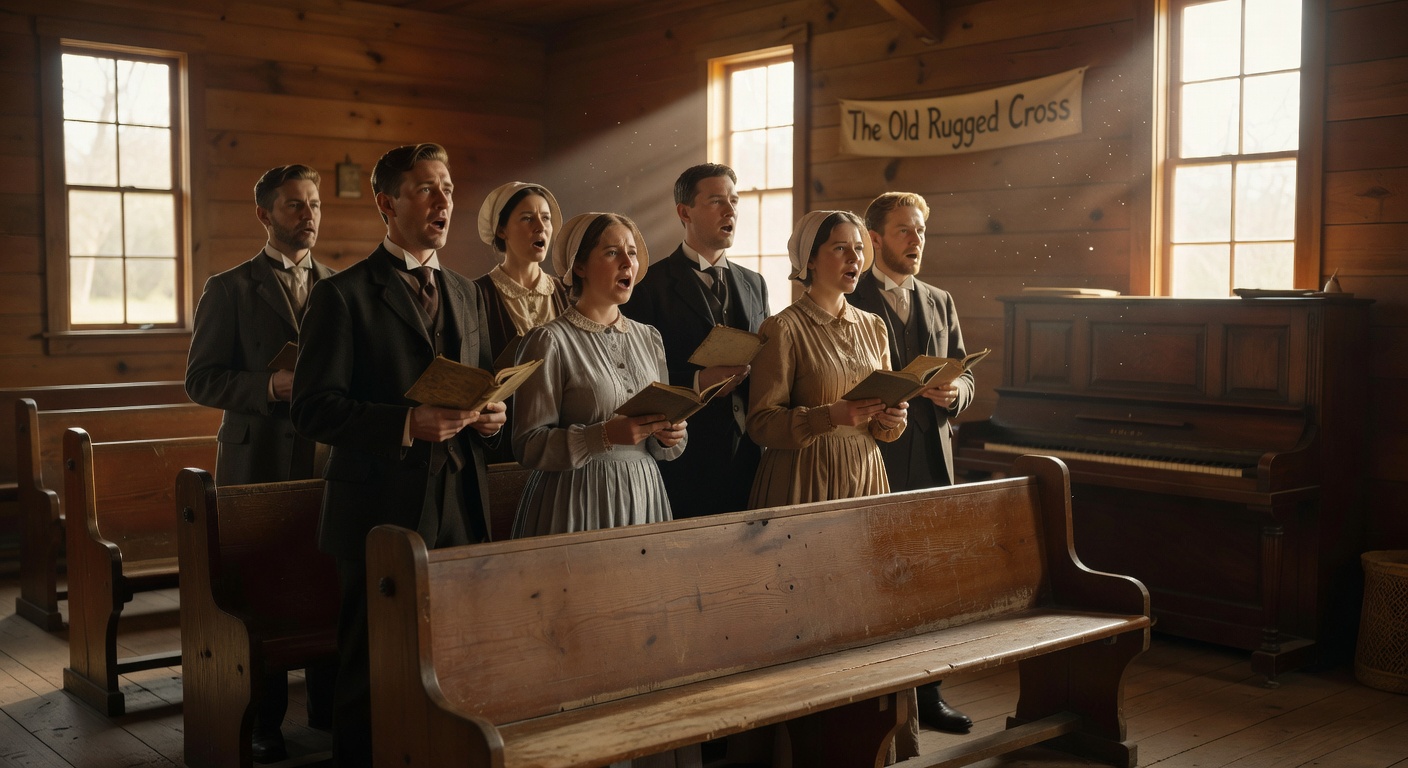
Singing “The Old Rugged Cross” at Victory Baptist Church in Carthage, Missouri
Here in Carthage, Missouri, nestled in the heart of Jasper County, the old rugged cross still speaks with clarity and power. Our congregation knows what it means to walk through seasons of suffering. We have buried loved ones, prayed through cancer diagnoses, stood beside families in Jasper County who lost crops to drought or hail, and watched young people struggle with the pressures of a changing world. When we lift our voices on the chorus—“So I’ll cherish the old rugged cross, till my trophies at last I lay down”—we are not singing empty tradition. We are testifying that the same Savior who bore the shame of Calvary is still present with His people in the fields, homes, and sanctuaries of Southwest Missouri.
The hymn’s simple yet profound message cuts through every layer of pretense. It does not promise a life without pain. Instead, it points us to the place where pain was redeemed. At Victory Baptist Carthage, we sing it during communion services, at revival meetings, at funerals, and on ordinary Sunday mornings when the sun streams through the windows onto the open hymnals. The cross remains the center of our preaching, our worship, and our hope.
This is the story of how one man’s deep meditation on the sufferings of Christ, born out of his own “trying experience,” gave the church a hymn that continues to minister to believers from Albion, Michigan to the pastures of Jasper County and far beyond.
George Bennard: A Preacher Forged in Hardship and Faith
George Bennard was born on February 4, 1873, in Youngstown, Ohio. His family soon moved to Iowa, where his father worked as a coal miner. Tragedy struck early when his father passed away, leaving young George, not yet a teenager, with heavy responsibilities to help support his mother and sisters. He labored in the mines himself, experiencing firsthand the toil and uncertainty of life in a fallen world.
Around the age of twenty-two, George Bennard came to saving faith in Jesus Christ during a Salvation Army meeting. The message of the cross gripped his heart. He and his first wife served faithfully as officers in the Salvation Army, preaching the gospel on street corners and in mission halls. Later, he transitioned into the Methodist Episcopal Church and became a traveling evangelist and holiness preacher, holding revival meetings across Michigan, New York, and other states. He would eventually write hundreds of gospel songs, yet none would touch hearts like the one born from his own wrestling with the meaning of the cross.
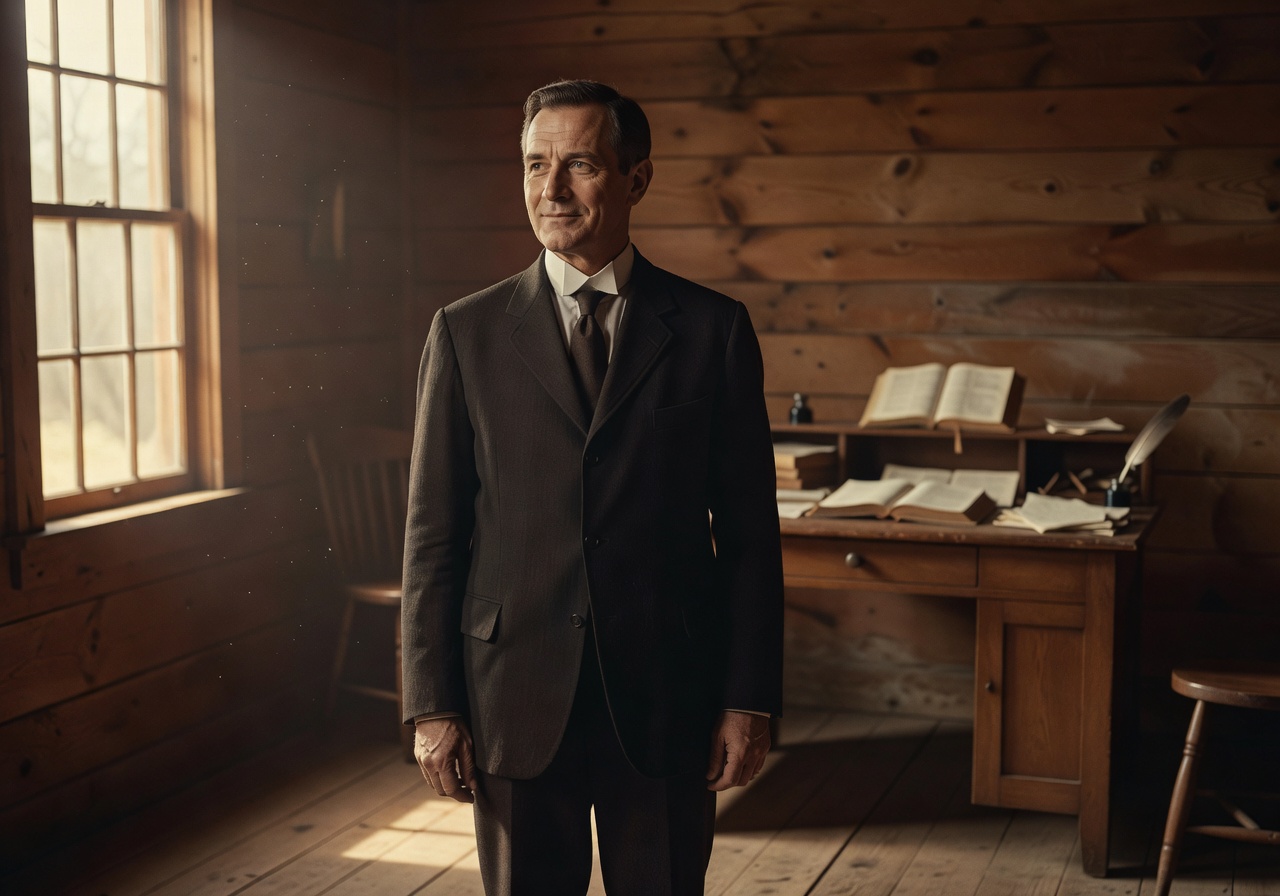
Bennard was known as a man of deep devotion and sincerity. He did not write for fame or fortune. He wrote because the truths of Scripture had taken root in his soul and he longed for others to see the beauty of the Savior who was willing to be nailed to a Roman cross for the sins of the world.
The Trying Experience That Drove Him to the Cross
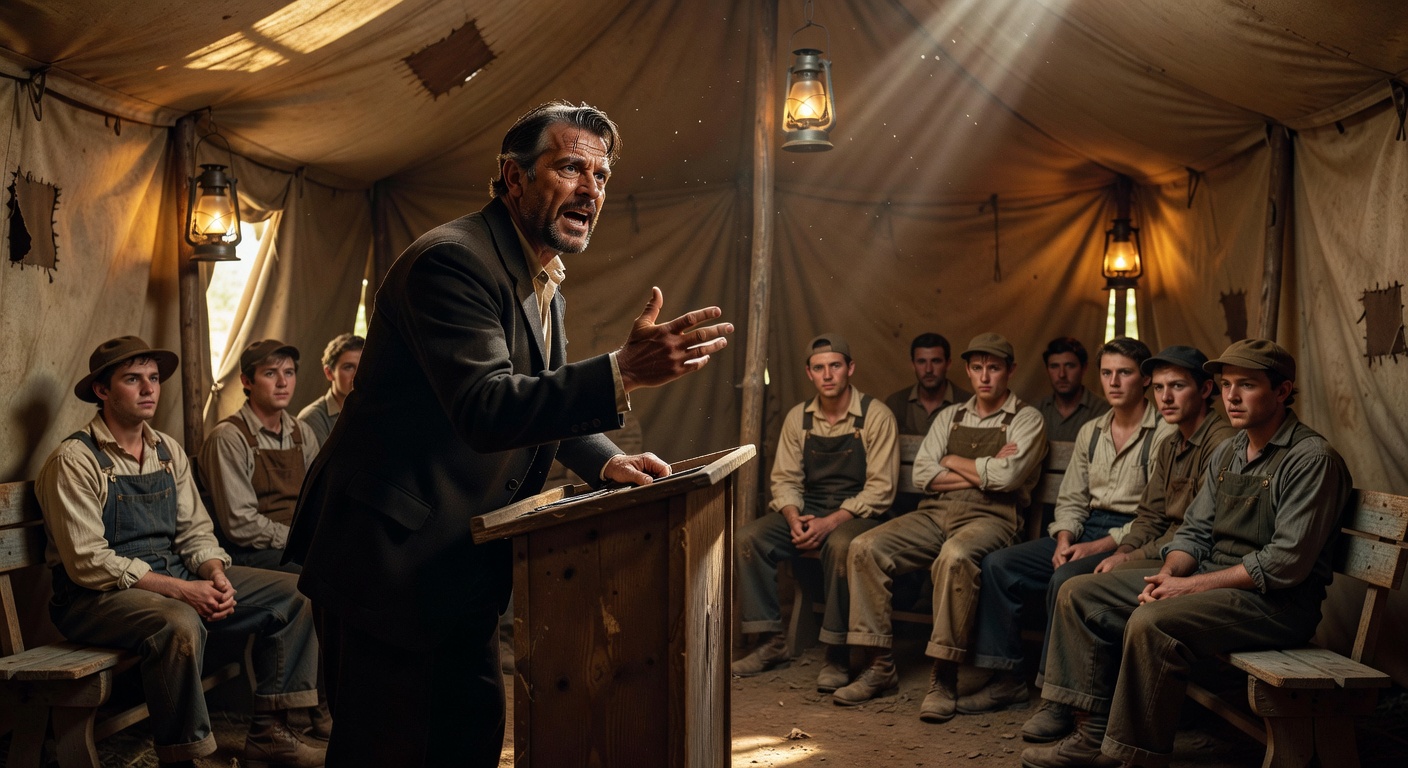
While conducting revival meetings in Michigan, George Bennard encountered significant opposition. A group of young people began heckling and ridiculing the message he preached. The experience left him discouraged and deeply troubled. In his own words, it felt as though he himself were bearing a cross. Instead of growing bitter or retreating, Bennard turned to his Bible and to earnest prayer. He began to meditate long and hard on the sufferings of Christ—what it truly meant that the dearest and best was slain for a world of lost sinners.
He contemplated the shame of the cross, the mocking, the spitting, the nails, the spear, and the blood. He thought about the Apostle Paul’s desire to know “the fellowship of His sufferings” and to glory only in the cross of Christ (Galatians 6:14; Philippians 3:10). Out of that season of personal trial and scriptural meditation, a melody began to form in his heart. Soon the words followed: “On a hill far away stood an old rugged cross…”
Bennard later testified that the words “were put into my heart in answer to my own need.” He did not claim to have written the hymn in his own strength. He saw himself merely as the instrument God used. This humble spirit is part of why the hymn has endured—it points away from the songwriter and straight to the Savior.
The Melody and Words Born in Albion, Michigan
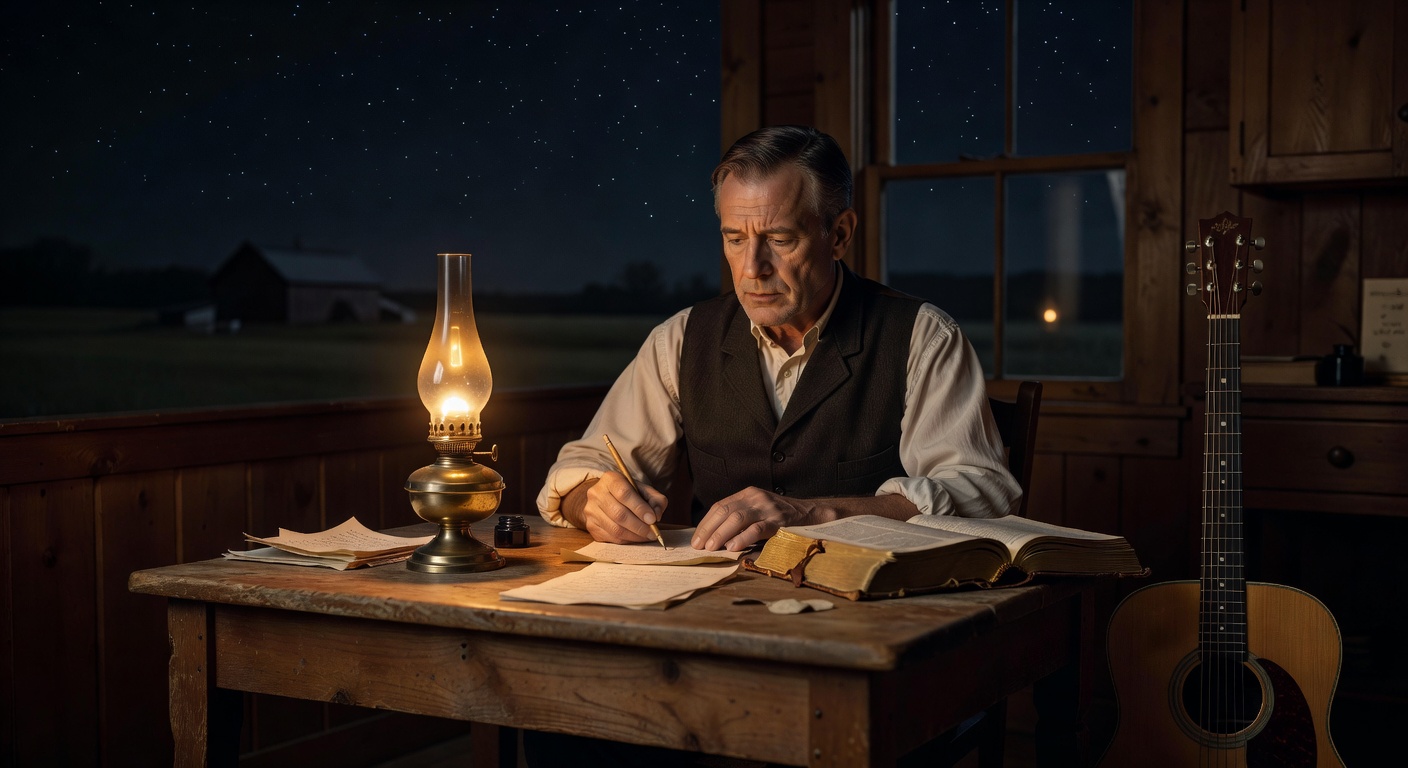
The hymn took shape in the small town of Albion, Michigan. Accounts indicate that the melody came first while Bennard was staying there. He worked on the lyrics at a simple kitchen table, often by lamplight, with his Bible open before him. The first verse and chorus flowed relatively quickly, but he labored over the remaining stanzas to make sure every word honored the Lord and accurately reflected the gospel.
He carried the developing song with him as he traveled for meetings. The hymn was completed or significantly refined during evangelistic work in Sturgeon Bay, Wisconsin, and finalized in the parsonage of Rev. and Mrs. Leroy O. Bostwick in Pokagon, Michigan. On June 7, 1913, the song received its first public presentation. A small choir sang it, and the response was immediate and profound. Mrs. Bostwick was so moved that she helped pay for the printing plates so the hymn could be shared more widely.
Charles H. Gabriel, a well-known gospel composer of the era, reviewed the manuscript and reportedly told Bennard, “You will hear from this song.” He assisted with the harmonization, and the piece soon found its way into print. What began as a personal response to suffering and opposition became a gift to the entire church.
From a Small Michigan Church to Billy Sunday’s Crusades and Beyond
The song spread steadily. Homer Rodeheaver, the famous song leader for Billy Sunday’s massive evangelistic campaigns, recognized its power. He secured the rights and helped popularize “The Old Rugged Cross” across America through the great revival meetings of the early twentieth century. It was recorded, published in countless hymnals, and sung by believers of many denominations.
By the 1930s it had become one of the most requested and beloved hymns in the nation. In one national radio poll it was reportedly voted America’s favorite hymn. Over the decades it has been recorded by artists ranging from Mahalia Jackson and George Beverly Shea to Johnny Cash and modern worship leaders. Its message transcends musical styles because its focus is eternal: the cross of Christ.
George Bennard continued in faithful ministry for many years. He eventually retired to Reed City, Michigan, where a large memorial cross stands today in his honor. He passed into the presence of the Savior he loved on October 9, 1958. Though he wrote many other songs, he is remembered above all as the man who gave the church “The Old Rugged Cross.”
The Full Lyrics: Cherishing the Cross Until We Exchange It for a Crown
Here are the complete lyrics that have been sung by millions, including the faithful at Victory Baptist Church in Carthage, Missouri:
Verse 1
On a hill far away stood an old rugged cross,
The emblem of suff’ring and shame;
And I love that old cross where the dearest and best
For a world of lost sinners was slain.
So I’ll cherish the old rugged cross,
Till my trophies at last I lay down;
I will cling to the old rugged cross,
And exchange it some day for a crown.
Verse 2
Oh, that old rugged cross, so despised by the world,
Has a wondrous attraction for me;
For the dear Lamb of God left His glory above
To bear it to dark Calvary.
So I’ll cherish the old rugged cross…
Verse 3
In that old rugged cross, stained with blood so divine,
A wondrous beauty I see;
For ’twas on that old cross Jesus suffered and died
To pardon and sanctify me.
So I’ll cherish the old rugged cross…
Verse 4
To the old rugged cross I will ever be true,
Its shame and reproach gladly bear;
Then He’ll call me some day to my home far away,
Where His glory forever I’ll share.
So I’ll cherish the old rugged cross,
Till my trophies at last I lay down;
I will cling to the old rugged cross,
And exchange it some day for a crown.
The Rich Theology That Makes This Hymn Endure
“The Old Rugged Cross” is theologically rich in ways that reward careful meditation. It begins with honest acknowledgment of the cross’s shame and suffering. The world despises it. Yet the singer declares, “I love that old cross.” This is not morbid fascination with death; it is love for the One who died there and the redemption accomplished by His blood.
The hymn beautifully captures the wonder of substitutionary atonement: “the dearest and best for a world of lost sinners was slain.” It points to the Lamb of God who left the glory of heaven to bear the cross to dark Calvary. The blood-stained cross is not ugly to the believer; it displays “a wondrous beauty” because it is the place where Jesus purchased our pardon and sanctification.
The chorus expresses the believer’s lifelong commitment: we cherish the cross, cling to it, and gladly bear its reproach until the day we lay down our trophies and receive the crown of life. This echoes the words of Scripture: “If we suffer, we shall also reign with him” (2 Timothy 2:12) and the call to take up our cross daily and follow Christ (Luke 9:23). At Victory Baptist Church, we preach this same gospel every week—the cross is not a relic of the past but the power of God unto salvation for everyone who believes.
The Old Rugged Cross Still Stands in the Fields of Jasper County
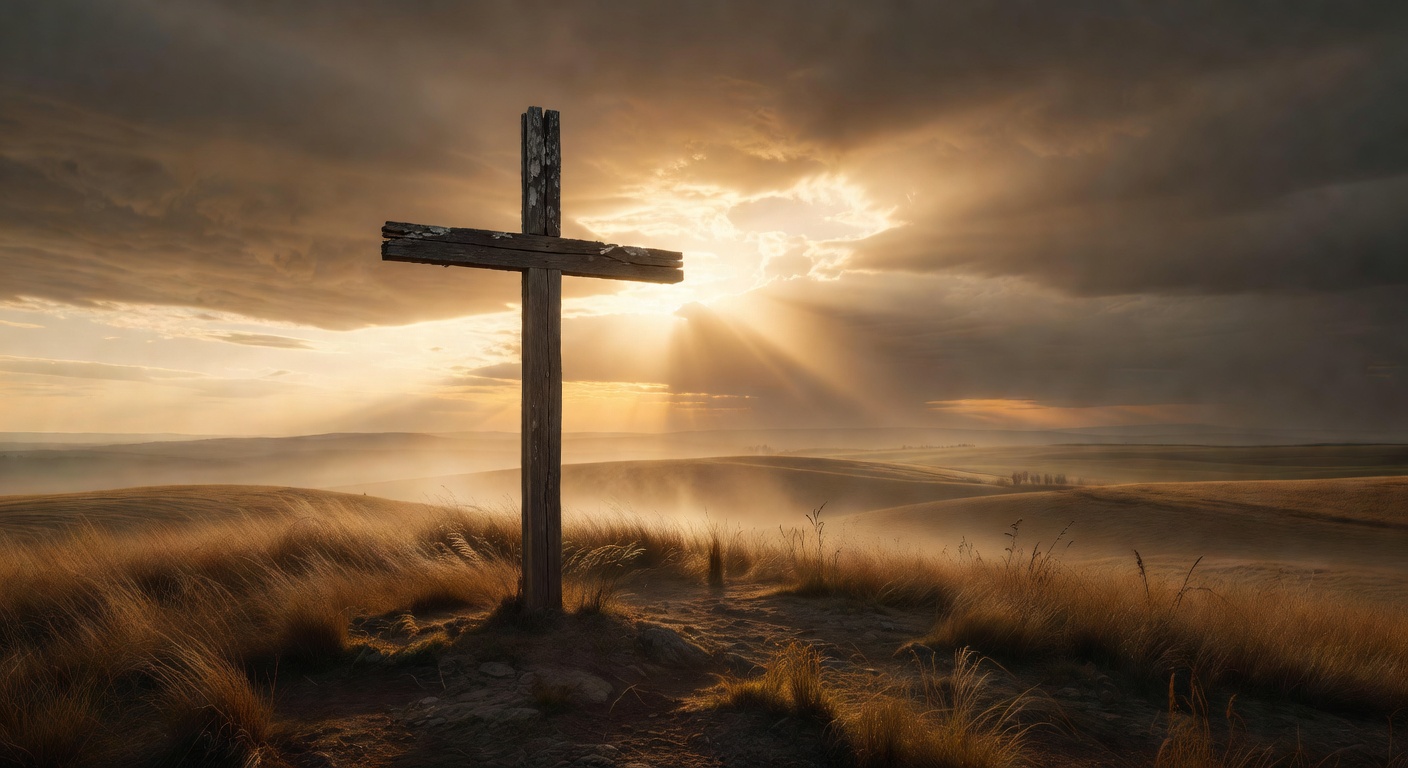
Drive through the countryside surrounding Carthage, Missouri, and you will see simple wooden crosses standing in pastures and along country roads. They remind travelers and locals alike that the message of Calvary is not confined to church buildings. The same truth George Bennard discovered in the face of opposition more than a century ago still sustains families in Southwest Missouri today.
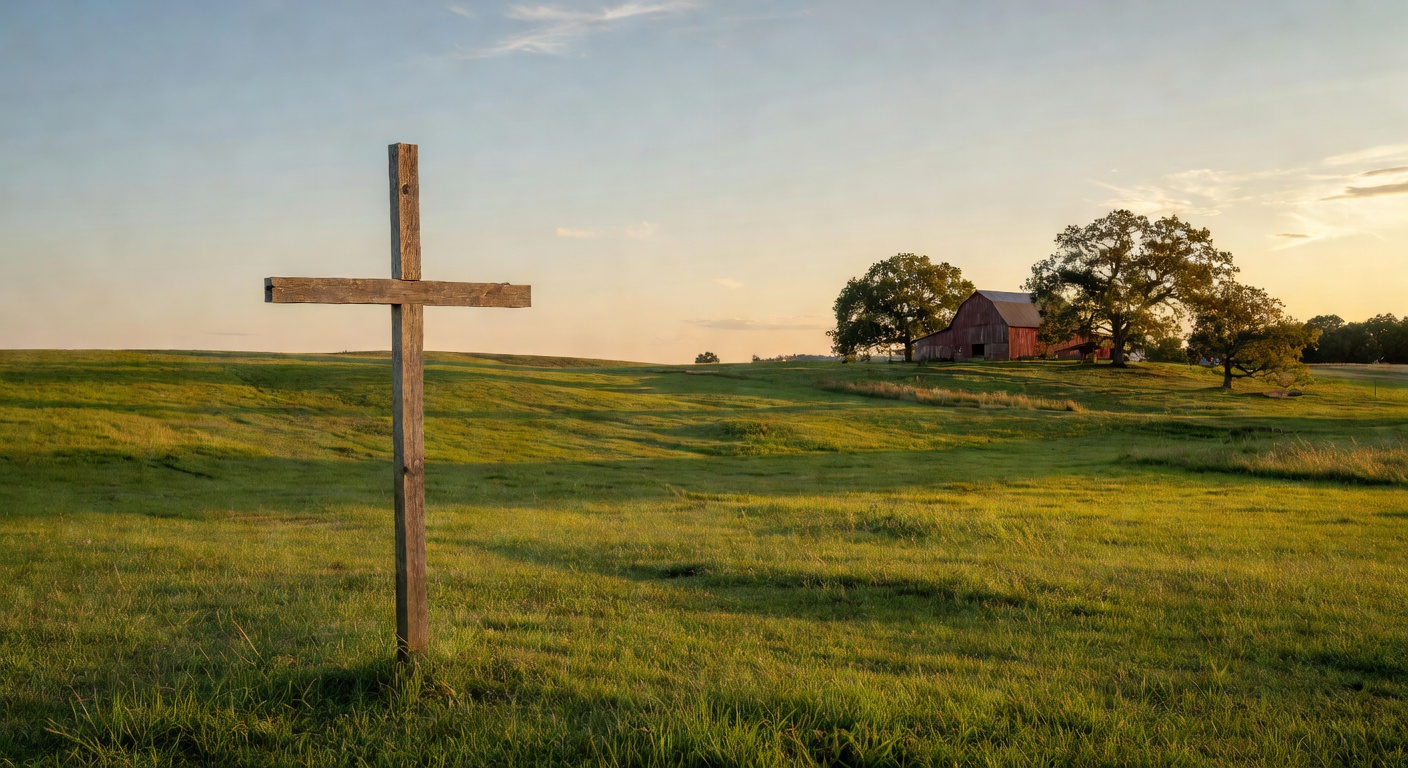
Farmers in Jasper County know what it means to labor under the sun and to face seasons when the harvest is lean. Parents know the weight of raising children in a world that often mocks the values of the cross. Widows and widowers know the loneliness that only the hope of the resurrection can comfort. When we sing “I will cling to the old rugged cross,” we are saying that no matter what trial comes, we will not turn away from the Savior who bore the cross for us.
The hymn also gives us language for our future hope. One day the cross we bear will be exchanged for a crown. That promise has comforted countless believers in Carthage, Joplin, Webb City, and every small community across our region as they have said goodbye to loved ones who died in Christ.
Singing with the Saints at Victory Baptist Carthage
If you live in or near Carthage, Missouri, or are visiting Jasper County and Southwest Missouri, we warmly invite you to join us at Victory Baptist Church. When the congregation stands to sing “The Old Rugged Cross,” you will hear voices that have been shaped by real life and real faith. You will sense the presence of the Holy Spirit who still uses this simple hymn to draw hearts to the feet of Jesus.
Whether you are carrying a heavy burden today, rejoicing in God’s faithfulness, or simply searching for hope, the message of the old rugged cross is for you. The cross that once stood on a hill far away is the same cross that stands at the center of our message and our lives. We cherish it. We cling to it. And by God’s grace, we look forward to the day when we will exchange it for a crown in the presence of our King.
Come and sing with us. The old rugged cross still calls sinners home.
Victory Baptist Church
Carthage, Missouri
Jasper County, Southwest Missouri